

Spring is here, and while it’s warm, it’s not yet sweltering. That means it’s a good time to have your car’s air conditioning system thoroughly inspected and serviced, before it’s desperately needed. Most cars, especially if they’re about five years old or newer, will greet the heat with a reliable blast of cold air, but what should you do if yours blows warm air, or no air at all? If your air conditioner isn’t working at all, the fix will require some detective work. Sometimes it’s a simple matter of a low refrigerant charge or a switch or sensor needing replacement. Air conditioning systems are pressurized, and there are sensors to detect when things are out of whack. If something’s not right, the AC will protect itself and its expensive components by refusing to engage. Warm air from the vents when you’re asking for cold means it is time to have your dealer’s service department diagnose the trouble. Your dealer’s service department has technicians who are most familiar with your vehicle and its systems, plus the information, tools and support of the manufacturer. They’ll know common trouble areas, if any, and, more important, the best way to fix them. The first thing your technician will check for is leaks. If there’s not enough refrigerant, it had to go somewhere. Sometimes an initial inspection will turn up a big leak, like a perforated hose or pipe, but other times it can be harder to track down. Tricky leaks may require a recharge of the system and the addition of a dye that shows up under a black light. If there are no obviously compromised components, a check of the operating pressures is in order. There’s a special set of gauges technicians will hook up to the high- and low-pressure portions of the system. This will tell them the amount of charge in the system and whether pressures change properly while the air conditioning is running. Because refrigerant molecules are very small, some does escape past the seals in the system, so a low refrigerant condition could just be due to the age of the car. In that case, a simple topping-off will get you comfortable again. Even if your AC isn’t completely inoperable, a low refrigerant condition will deteriorate performance. Contrary to what you might think, if there’s not enough refrigerant in the system, the AC will actually cool too much, which will cause some parts of the system to freeze, triggering a sensor to shut the AC down until it thaws. Larger system faults involving critical components, like a compressor with bad seals or failing bearings, or an evaporator core that’s leaking, require more involved repairs. The compressor is under the hood, driven by the engine. It is subjected to a lot of heat and mechanical stress. The evaporator is usually inside the cabin, inside the dashboard. It absorbs the heat from the interior air, and is kind of like a specialized radiator, made up of small tubing and fins. Parts like these can be labor-intensive to remove and replace. To open the AC system, a technician will first connect a machine that removes any refrigerant from the system so none escapes to the atmosphere when the system is disassembled. Once the system is repaired, a vacuum pump will be used to make sure there’s no moisture within the plumbing and there are no leaking seals. If the system holds a vacuum, it is then re-charged with the correct amount of refrigerant, and your cool will be restored. It’s only going to get hotter as the summer wears on, so have your air conditioning system tested, and repaired if needed, while you can still comfortably cruise with the windows down. This article is presented by Heritage Mitsubishi.

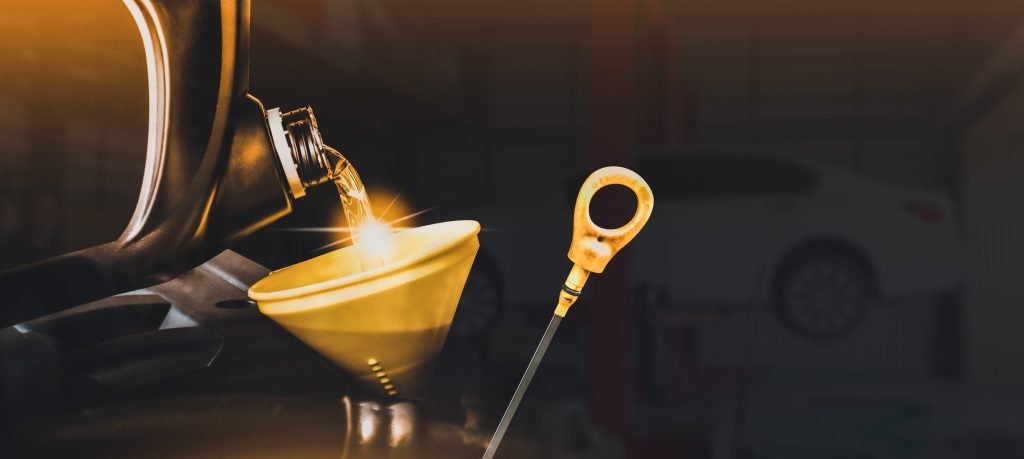
How Often Should You Change Your Mitsubishi's Oil?
If the level of your motor oil is low or you've checked and it looks dark and grimy, don't hesitate to refresh it. Ideally, you should change your oil long before it becomes degraded or dirty enough to cause the engine problems. It's all about working out the right schedule for you. Let's look at how frequently you should visit your local Mitsubishi dealership for an oil change. Consider How Much Strain You Put on Your Oil It's not easy to determine a one-size-fits-all schedule for changing motor oil. If you routinely drive in heavy urban traffic, your oil will absorb more airborne contaminants and be under more overall pressure, which may mean you need to change it more frequently than other drivers. Likewise, regular short trips of under five miles put additional strain on both the engine and oil because the oil doesn't have time to warm up to proper lubricating temperature in these very short journeys. A few other severe driving conditions include using dirty or sandy roads. In particular, dusty off-roading trails will impact your motor oil. Towing heavy trailers also naturally puts more strain on the engine, which is likely to wear down the oil faster too. If you suspect that you put excessive pressure on your motor oil, take that into consideration when planning how often to change it. Most Drivers Should Change Their Oil Twice a Year For ordinary driving conditions, a pretty good rule of thumb is to change your oil twice a year. Modern synthetic motor oil tends to last from 7,500 to 10,000 miles under normal conditions, and most drivers cover 14,000 miles a year. If you drive more miles than this, consider more frequent intervals. What Interval Does Your Warranty Recommend? If you have a valid warranty, consult it for guidance on when to change your oil. Keeping the warranty valid will depend on meeting the oil servicing requirements it stipulates. Schedule Routine Oil Changes at Your Local Mitsubishi Dealer One risk all drivers face is forgetting to change their motor oil. Even one missed change can lead to premature wear in the engine, which harms the car's overall longevity. You can defend against this risk by setting up a suitable servicing schedule with us. We'll politely remind you whenever the time for your next visit is drawing near. Visit Heritage Mitsubishi - Morrow in Morrow, GA, today to have your oil refreshed. We're a community-oriented local dealership dedicated to keeping Morrow's drivers safe and happy on the road.
What’s Covered by a Mitsubishi Warranty?
There’s more to purchasing a new or CPO Mitsubishi model than meets the eye. Mitsubishi's New Vehicle Limited Warranty offers comprehensive bumper-to-bumper coverage with genuine Mitsubishi parts. This exclusionary warranty means that only specifically listed parts are not covered, providing broad protection against unexpected repairs. Roadside Assistance Included with the New Vehicle Limited Warranty is 24/7 roadside assistance for five years. This service covers: Towing Jump-starts Flat tire assistance Emergency fluid delivery Trip reimbursement up to $175 for up to three days A standout feature of Mitsubishi's coverage is its Powertrain Limited Warranty, which includes: Engine Transmission Transaxle Transfer case Gaskets and seals Shaft assemblies Mitsubishi’s powertrain warranty is one of the longest in the industry, comparable only to those offered by Hyundai, Genesis, and Kia. However, it's important to note that this warranty does not transfer to new owners; they will be covered by the remaining New Vehicle Limited Warranty. Service Requirements: Warranty repairs must be conducted at a Mitsubishi dealership. It does not need to be the one you purchased the vehicle at. For those considering a Mitsubishi Certified Pre-Owned (CPO) vehicle, these are cars less than five years old with fewer than 60,000 miles, which undergo a thorough 123-point inspection. CPO vehicles retain the original New Vehicle, Powertrain, and Anti-Corrosion/Perforation limited warranties. However, coverage terms do not extend beyond the original warranty. For instance, a four-year-old CPO Mitsubishi with 40,000 miles will have bumper-to-bumper coverage for an additional year or 20,000 miles. CPO vehicles also benefit from roadside assistance based on the remaining warranty coverage. If the CPO vehicle is still under the New Vehicle Limited Warranty, it includes all roadside assistance perks. If only the Powertrain Limited Warranty applies, coverage is limited to towing services.
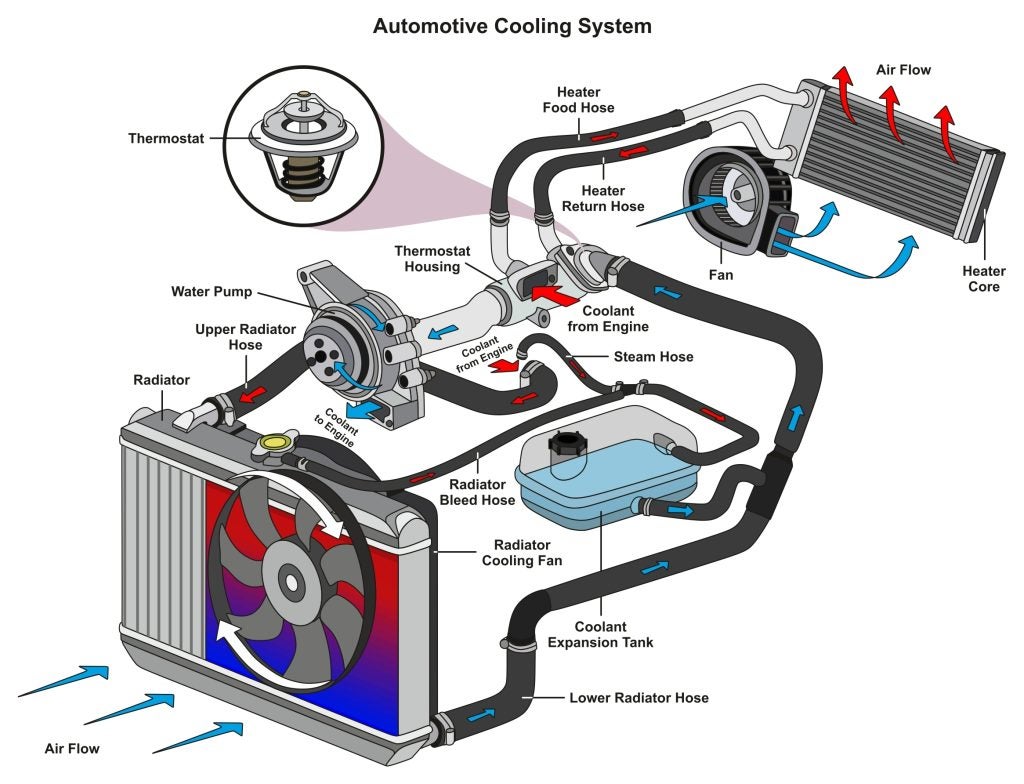
5 Signs Your Mitsubishi Needs its Radiator Serviced
Mitsubishi vehicles may be among the top ten brands in the automotive business, but even the best cars will need servicing at some point. Are you wondering whether you need radiator service at Heritage Mitsubishi, your Morrow Mitsubishi dealer? Find out below! Overheating Overheating is one of the most significant indicators that your Mitsubishi's radiator needs to be serviced. Whether you're driving fast or slow, short or long distances, if your Mitsubishi consistently overheats and the temperature gauge continues to rise, the cooling system components or radiator fan are likely faulty. If that's the case, the best thing to do is to pull over and allow your vehicle to cool down. Then, turn on your car and bring it to our dealership so it can be properly looked at and repaired. Leaking Coolant The next time you park your car, wait a few minutes and look underneath it. If you notice any puddles of a pink, green, or yellow hue, your coolant is likely leaking, and your Mitsubishi radiator may need to be repaired or replaced. White Smoke Coming From Exhaust Seeing smoke in your rearview mirror is never a good thing, and one cause may be your radiator. An internal coolant leak can cause white smoke to come from your tailpipe. If you notice this, pull over right away and check your coolant levels while your car cools down. If you see your coolant levels are low and white smoke is coming from the exhaust, but there are no puddles underneath your vehicle, there's a high chance your radiator needs fixing at our dealership. Smoke Coming From Under the Hood Smoke coming from under the hood is another signal of trouble. While there may be several potential causes, the main one is a malfunctioning radiator that needs repairing or replacing. Smoke may pour out from the hood because the radiator cannot cool down. At some point, it overheats and begins to produce smoke. Allow your vehicle to cool down before bringing it into our dealership for a check-up by one of our highly trained team members. Developing Rust Last but not least, one easy way to tell whether your radiator needs servicing is to inspect it. Pop the hood and find the radiator. If you notice signs of rust, it is likely connected to other underlying problems you may be having (or will soon be having) with your vehicle. A rusty radiator is a no-go and needs to be replaced ASAP. Does your Mitsubishi radiator need servicing? Visit Heritage Mitsubishi-Morrow in Morrow, GA, your trusted Mitsubishi dealer for radiator inspection, repair, and replacement. Our professionals are standing by to get your Mitsubishi working at peak performance once more!
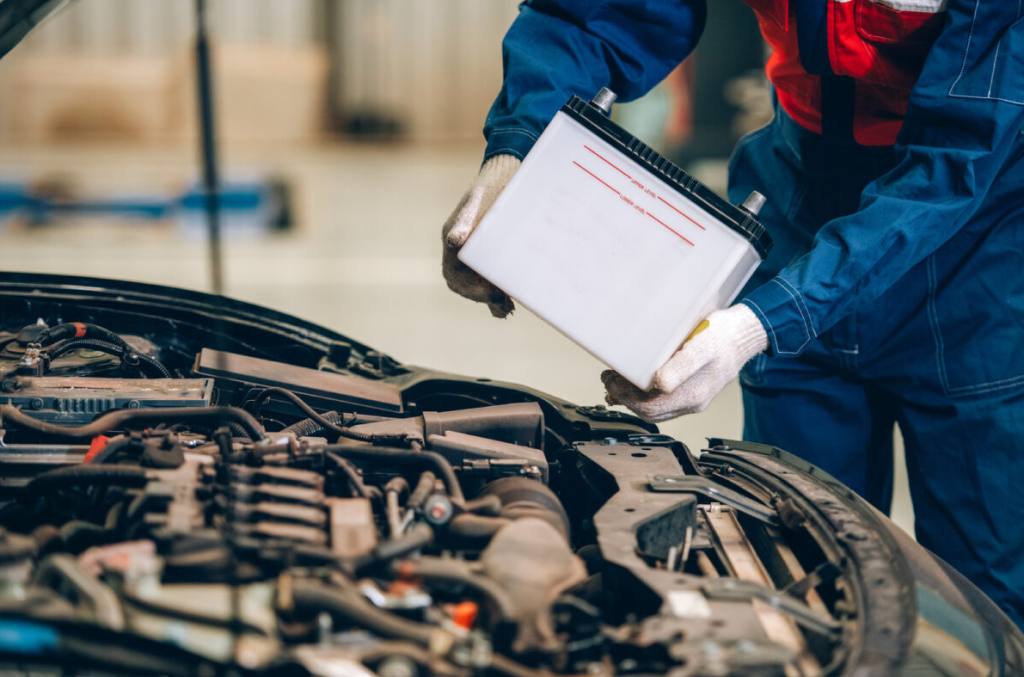
7 Signs Your Mitsubishi Needs a New Car Battery
When your battery is on its way out, you'll know it. Suddenly, you'll struggle with all sorts of problems, from dim headlights to slow-moving windows, and your car won't start. To avoid this, watch out for the following signs from your Mitsubishi dealer. 1. The Check Engine and Battery Lights Are On When your battery fails, your dashboard's check engine or battery lights will go on. It's essential to take note of these warning signs to prevent a breakdown. Bring your car to us, and one of our technicians will perform a thorough inspection to determine what triggered the warning lights. 2. Your Struggle With Your Car's Electronics When the weak battery can't provide the necessary power to the electronics, you'll likely notice various problems while driving. Your headlights might not be as bright as usual, the sunroof may not work correctly, and the windows and windshield wipers could move slower than normal. 3. There's Corrosion Around the Battery Terminals If you see a white substance around the metal connections on the battery, it could cause voltage problems. Don't worry if it's a minor corrosion. You can quickly get rid of it by using baking soda, water, and a brush. If the corrosion is extensive and already started gnawing at the metal, you'll have to get a new battery. 4. You Smell a Whiff of Rotten Eggs You know what your car smells like, and when you get a whiff of rotten eggs inside the cabin or smell it under the hood, your battery is overcharged, or the case is damaged, and hydrogen sulfide is escaping. 5. The Battery Case Is Swollen The case will become swollen when hydrogen gasses build up inside a battery. Visit us, and we will find the correct top-quality battery for your vehicle and perform an expert installation. 6. You Have To Jump Start Your Car If you're having trouble starting your car and have to get the jumper cables out of the trunk regularly, it's a sign that your battery has reached the end of its life. Replace your battery as soon as possible to avoid your car not starting at all. 7. Your Battery Is Old Like everything else in life, batteries age. Generally, a battery can last up to five years, but extreme hot and cold temperatures, corrosion, and loose cables can seriously affect your battery's life. When your battery is over three years old, bring your car to us for regular battery inspections and tests to determine if you need a replacement. If you've experienced any of the problems mentioned earlier or suspect that your car battery is reaching the end of its life, stop at Heritage Mitsubishi - Morrow today for a battery inspection and test to prevent the hassle of a breakdown.
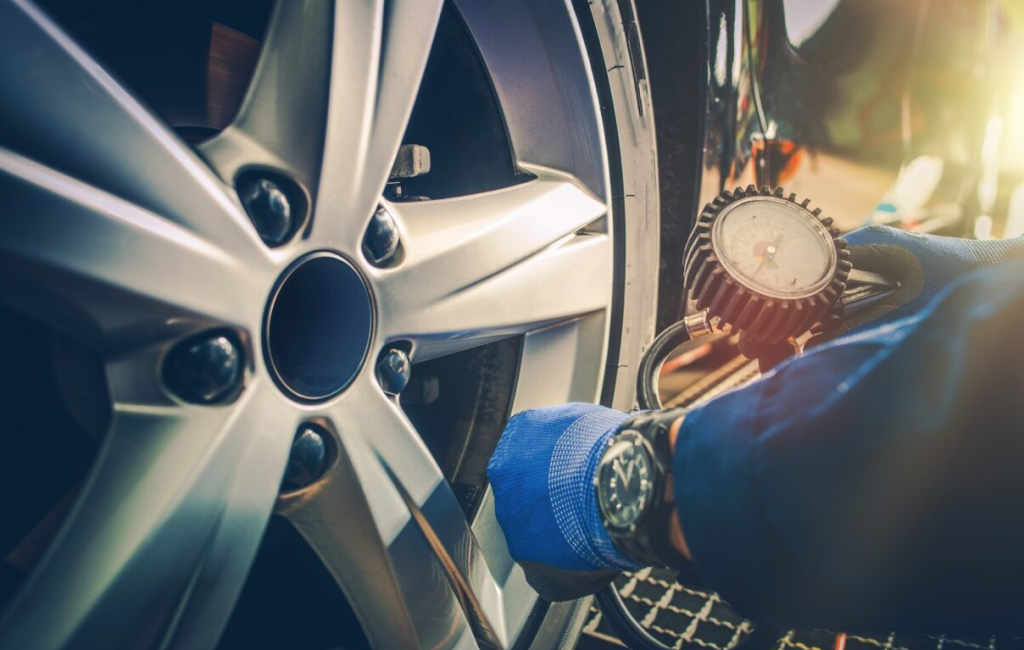
Time for New Tires? Visit Heritage Mitsubishi-Morrow
Neglecting tire inspection can have serious consequences, including an increased risk of accidents. Here are some indicators that it might be time to visit our Tire Center at Heritage Mitsubishi-Morrow for new tires. Abnormality in Shape Does your tire have any visible bulges, gouges, or cracks? It may indicate that your tire walls have weakened or are unstable. If your tire looks abnormal, bring it in to be inspected by a professional. Worn Treads The depth of your tire's tread is crucial for maintaining traction on the road. To check the tread depth, you can perform a simple test known as the penny test. Take a penny and insert it into the tread with Lincoln's head down in the tread. If his head disappears, then your tires should be fine. If you can clearly see his full head, then it means that the tread is too low. Alternatively, many modern tires have built-in wear bars that indicate when the tread has worn down to a specific depth. These wear bars can be found across the groove of the tire. If the tread is worn down to the level of the wear bar, it is time to replace the tire. Lost Air Pressure Proper tire inflation is essential for optimal performance and safety. Tires naturally lose air pressure over time, with an average deflation rate of about one pound per square inch (PSI) per month. Underinflated tires can lead to increased heat buildup, decreased fuel efficiency, and premature tire wear. Extreme temperatures can also affect tire pressure when it fluctuates. Varying temperatures can accelerate tire wear and cause other potential safety hazards. Noise and Vibration If you experience a thumping sound or vibrations while driving, it may indicate tire-related issues like a flat, something stuck in the tire, or inadequate pressure. But vibration originating from under the seats can also suggest rear tire balance problems, while vibrations felt through the steering wheel may indicate suspension issues. Any significant vibration or thumping should be addressed promptly by a professional. A smooth and comfortable ride is crucial for your safety and overall driving experience. Age If your tires are past their expiration date, then they should be changed. Tires typically stay in good working condition for about six years. Tires can last longer than this if you take good care of them. However, it's recommended that tires should not be used any longer than 10 years. While your tires may appear to be in good shape on the outside, they can be structurally unsound on the inside, since rubber degrades over time. If you suspect your tire might need replacing, visit Heritage Mitsubishi-Morrow right away and have one of our experienced technicians take a look.
Does Your Mitsubishi Need a Brake Repair?
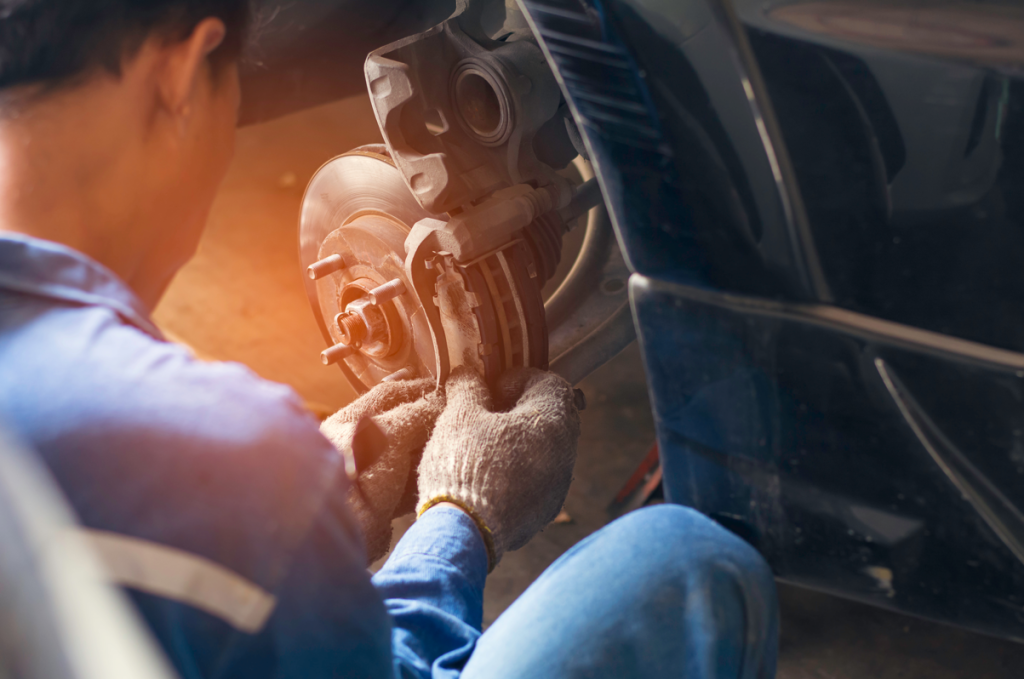
Whenever you apply the brakes, a whopping 800 to 2,000 pounds per square inch of pressure is applied in order to stop your car. This enormous pressure steadily wears down even the toughest of brake components. If you notice the following signs of worn-out brakes, it's best to visit your nearest Mitsubishi dealer at once for brake repair. Reduced Deceleration Healthy brakes should promptly slow you down or stop you when you press the pedal. If you ever realize your car isn't decelerating as readily, it's best to pull over, as driving with unresponsive brakes is dangerous. You may find that your brakes are less effective because of overheating. When brakes are used continually for a long period, such as in heavy traffic, they can sometimes overheat. Overheating can lead to a sudden loss of friction called brake fade. Leaking Brake Fluid Any oil or fluid pooling under your car is a bad sign. If you ever notice a transparent oily fluid puddling near your wheels or gathering in the wheel wells, you may have a brake fluid leak on your hands. If a brake fluid line leaks, hydraulic pressure is reduced and the affected brake caliper will no longer be able to apply as much force. This makes it very dangerous to drive. Tugging to One Side When part of a car's braking mechanism malfunctions, it usually affects one side of the car more than the other. As a result, you might find your car pulling to one side when you brake. The side you pull to will usually be the opposite of the side that's experiencing the loss of braking force. Screeching Sounds A screeching sound when braking isn't necessarily a cause for alarm. Brake pads are designed to emit a screeching noise when it's time to replace them. This warning sound lets you know you should visit your local dealership for a new pad, though. Grinding Sounds If you hear metallic grinding when you brake, the problem may be more urgent. When a brake pad wears down too far, the pad's upper friction layer disappears and the grinding you hear is metal scraping directly on the metal of the rotor disc. This can rapidly damage the rotor. Vibrating Pedal or Steering Wheel When a rotor disc becomes warped by age or damaged by the brake pad, you may feel vibrations through the steering wheel or brake pedal when you brake. The damaged rotor will need to be resurfaced or replaced. How Often To Visit Your Mitsubishi Dealer for Brake Service In addition to keeping an eye out for the aforementioned signs of brake trouble, it's important to periodically visit your local dealership for brake service. It's generally recommended to have your brakes checked every 10,000 miles. For the sake of convenience, many drivers ask the technician to check their brakes when they have an oil change twice a year. Have your car's brakes inspected and repaired today by experienced professionals at Heritage Mitsubishi-Morrow. We're proud to provide the thriving community of Morrow with excellent cars and personalized vehicle service.

4 Essential Services You'll Find at Your Morrow Mitsubishi Dealership
Owning a car is more than driving and weekly gas station trips. Your vehicle needs some essential routine services to ensure it runs efficiently. To ensure you're scheduling the right services, your local Mitsubishi dealership can guide you on the necessary inspections to maintain a reliable car. 1. Complete Service A complete service package covers all your essential car services needs, from a simple oil change to battery inspections. Our expert service technicians will change your oil and filters while thoroughly inspecting your fluid levels, including windshield wiper fluid, to ensure you stay safe on the road. A complete service also includes wiper blade, battery, and brake inspections. We'll also look at your air filters to see if they need replacing and rotate your tires. Finally, once your service is complete, we'll provide a full vehicle inspection report, so you'll know exactly how your vehicle currently functions and when your next service needs to be scheduled. 2. Oil Change Service An oil change is vital to ensure your vehicle runs smoothly. Our service technicians will replace your old oil with new and replace the oil filter. A free multipoint inspection with your oil change is also included to inspect various engine parts to ensure everything is running smoothly and in excellent standing. Brake and fluid inspections are examples of services included in a multipoint inspection. 3. Cold and Wet Weather Service Before the weather changes, you should look into scheduling a cold and wet weather service. This service inspects the portion of your cars that may be affected by changing weather or need special attention before temperatures change. Our technicians will test the heating system, replace the front wiper blades, and refill your wiper fluid. They'll also replace the dirty cabin air filter with a brand-new one and inspect the cooling system for leaks. In addition, this service includes a radiator inspection, brake inspection, and battery testing. Lastly, your tires will be checked to ensure they are up to par with the changing conditions. At the end of the service, we'll provide you with a comprehensive vehicle inspection report. 4. Brake Inspection Staying safe on the road starts with properly maintaining your car's brakes. Many brake parts require frequent inspection, including the front rotors, rear brake pads, calipers, and brake lines. Our technicians will inspect your brakes and replace the front pads with Mitsubishi-branded parts, so you'll know your car is getting only the best. An efficient and reliable car requires scheduled maintenance, including brake inspections and oil changes, so that you can stay safe while driving. Contact Heritage Mitsubishi Morrow today to schedule your next service appointment for your Mitsubishi vehicle!

All Your Vehicle’s Fluids Need TLC, Not Just Oil
Your car’s oil might be the first thing you think of when you hear “vehicle fluids,” but there are several others that play critical roles in making your car perform at its peak. While some of these fluids don’t need to be changed all that often, it’s still a good idea to have them checked regularly. Transmission Fluid Similar to engine oil, transmission fluid keeps the important moving parts in your vehicle’s transmission running smoothly. Both automatic and manual transmission vehicles need to have this fluid replaced periodically. In a manually shifted vehicle, replacement generally occurs more often, typically between every 30,000 to 60,000 miles. Automatic transmissions don’t need this service done as often—generally every 60,000 to 100,000 miles. Coolant Also known as anti-freeze, engine coolant is responsible for keeping in check the enormous heat generated by your vehicle’s engine. If the coolant needs to be replaced, it’s simply a matter of draining the coolant, flushing the system out, and filling it with fresh coolant. Not keeping coolant properly filled or letting it get too old can cause rust and corrosion inside the cooling system, and that ain’t good. Windshield Washer Fluid Of all the fluids in your vehicle, this one is the easiest and cheapest to maintain. When winter descends and the roads get nasty, having a full reservoir of windshield washer fluid can mean the difference between seeing what’s ahead and trying desperately to see through a filthy windshield. Brake Fluid Just as important as having healthy brake pads and rotors is having good brake fluid. This fluid transmits the pressure generated by stepping on the brake pedal to the brake calipers, which then squeeze the rotors and slow or stop your vehicle. One symptom of needing to change the brake fluid is a “squishy” brake pedal, which may require extra pressure to engage. Depending on the climate where you live, brake fluid can actually absorb moisture and degrade over time, so be sure to keep an eye on this. Also, make sure it’s serviced according to your owner’s manual. Power Steering Fluid Clearly, having a properly functioning steering system is essential to your safety and the health of your vehicle. Power steering fluid plays a key role in the steering process, and it keeps the all-important power steering pump in good working order. It’s not often this hydraulic fluid needs to be replaced, but it’s a good idea to follow your owner’s manual and have it serviced at the recommended intervals. Blinker Fluid Unfamiliar with this one? Just ask your mechanic. The Heritage Mitsubishi Service Department can take all of the guesswork out of fluid changes for you. If your vehicle is in need of service or if you have any questions, contact us online and we'll take care of all your vehicle's fluid needs.